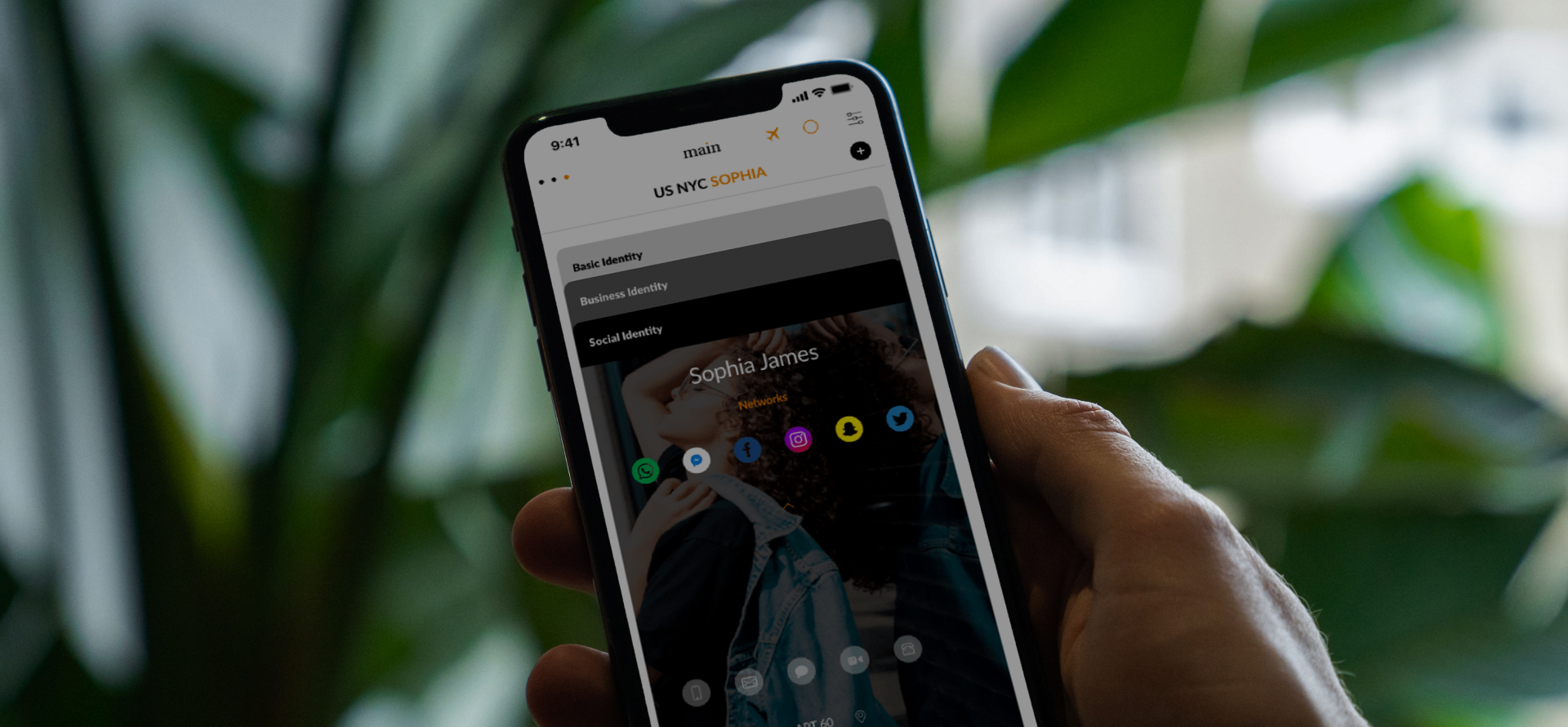
Builder Prime is positioned as an all-in-one CRM for home-improvement businesses, covering sales, estimating, production management, invoicing, and payments. Our work on the product is centered on the native mobile experience: building and evolving the iOS app and Android app that let teams take those workflows into the field instead of leaving them stuck behind a desktop login.
What the product has to support
- Project and client context that can be opened quickly from a phone
- Estimates, scopes, measures, and pricing workflows that do not fall apart when connectivity does
- Work orders, assignments, schedules, and day-to-day execution details for field teams
- SMS conversations, reminders, and notifications tied back to active jobs and customer activity
- Invoices, payment flows, and follow-through after work has been scoped or completed
- Documents, photos, and project records that need to stay available while people are moving between jobsites
Why native mobile mattered
For a contractor CRM, mobile is not a companion surface. It is where the product either becomes operationally useful or turns back into office software. Sales reps, project managers, and field workers need access while driving between appointments, standing in a customer driveway, walking a property, or finishing up a work order with spotty reception.
That is why the native apps matter so much here. The public store listings frame Builder Prime around project visibility, task progress, and clock-in or clock-out workflows, but the local iOS codebase shows the deeper reality underneath that promise: this is a broad operations product with real workflow depth, role-aware navigation, and a lot of state that has to remain dependable under pressure.
What our mobile work covers
- Native iOS and Android product delivery for teams working in the field as well as in coordination roles
- Mobile access to estimates, assignments, work orders, schedules, messages, invoices, and project details
- Project documents and photo uploads so teams can keep job records moving without switching devices
- Payment-related flows connected to invoices and customer follow-through
- Push notification handling for inbound SMS, opportunity activity, reminders, and assignment-related events
- Mobile entry points back into the broader Builder Prime system through deep links and web handoff points
What makes the engineering work interesting
The current iOS app is a substantial native codebase built with SwiftUI and centered around business workflows rather than a single isolated feature. The app routes users into projects, estimates, assignments, work orders, schedules, shift history, SMS conversations, invoices, settings, and system-status tools, with different sections exposed depending on user role and permissions.
The most meaningful complexity is not the number of screens. It is the reliability work behind them. Builder Prime has offline architecture for daily logs and estimate flows, using cache-first reads, optimistic local writes, a persistent queue, reconnect-based synchronization, and ID-mapping logic for entities created offline before the server assigns canonical IDs. That is the kind of engineering that matters when people are on a jobsite and the app still has to behave like the source of truth.
The kinds of mobile problems this project solves
- Keeping clock-in and clock-out flows useful with background location context and delayed synchronization
- Preserving estimate editing momentum when projects, scopes, items, discounts, and fees are changed offline
- Making scheduled work, assignments, and work-order context easy to open quickly from a phone
- Routing real-time communication through SMS conversation flows and push notifications without losing context
- Supporting document, image, and invoice-related tasks in the same app instead of fragmenting the workflow across tools
- Balancing security and usability through native authentication, session handling, and device-level protections
Why this case study matters
Builder Prime stands out because it is not a lightweight consumer app or a thin wrapper around a website. It is operational software for home-improvement teams whose day is split across sales, estimating, scheduling, production, communication, and payment collection. Mobile quality has a direct effect on whether that work keeps moving.
That makes it exactly the kind of engagement we like: business-critical software, real-world workflow constraints, and native mobile engineering that has to be clear, steady, and dependable over time. For Wilder, this is the kind of client relationship where good product thinking and disciplined implementation both matter every single day.