User-facing AI workflows
Generation, editing, summarization, analysis, and assistant-style experiences need flows that help people understand what the system is doing and why.
AI product development
The wilder.dev team helps founders and product teams turn AI ideas into usable systems with clear interfaces, orchestration, safeguards, scoring, moderation, and backend logic around the model layer.
Engagement focus
The valuable part of an AI product is rarely only the prompt. It is the interface, scoring logic, storage, orchestration, and user trust built around the model behavior.
Generation, editing, summarization, analysis, and assistant-style experiences need flows that help people understand what the system is doing and why.
Queueing, retries, async processing, moderation, logging, scoring, and analytics usually matter more than the first demo reveals.
A useful AI product still needs business rules, human review paths, permission boundaries, and honest fallbacks when confidence is low.
We keep the implementation quick, but not in a way that leaves the team trapped in fragile prompt spaghetti later.
Core service
These service pages stay indexable and help reinforce the long-term SEO structure underneath the paid and conversion-focused pages.
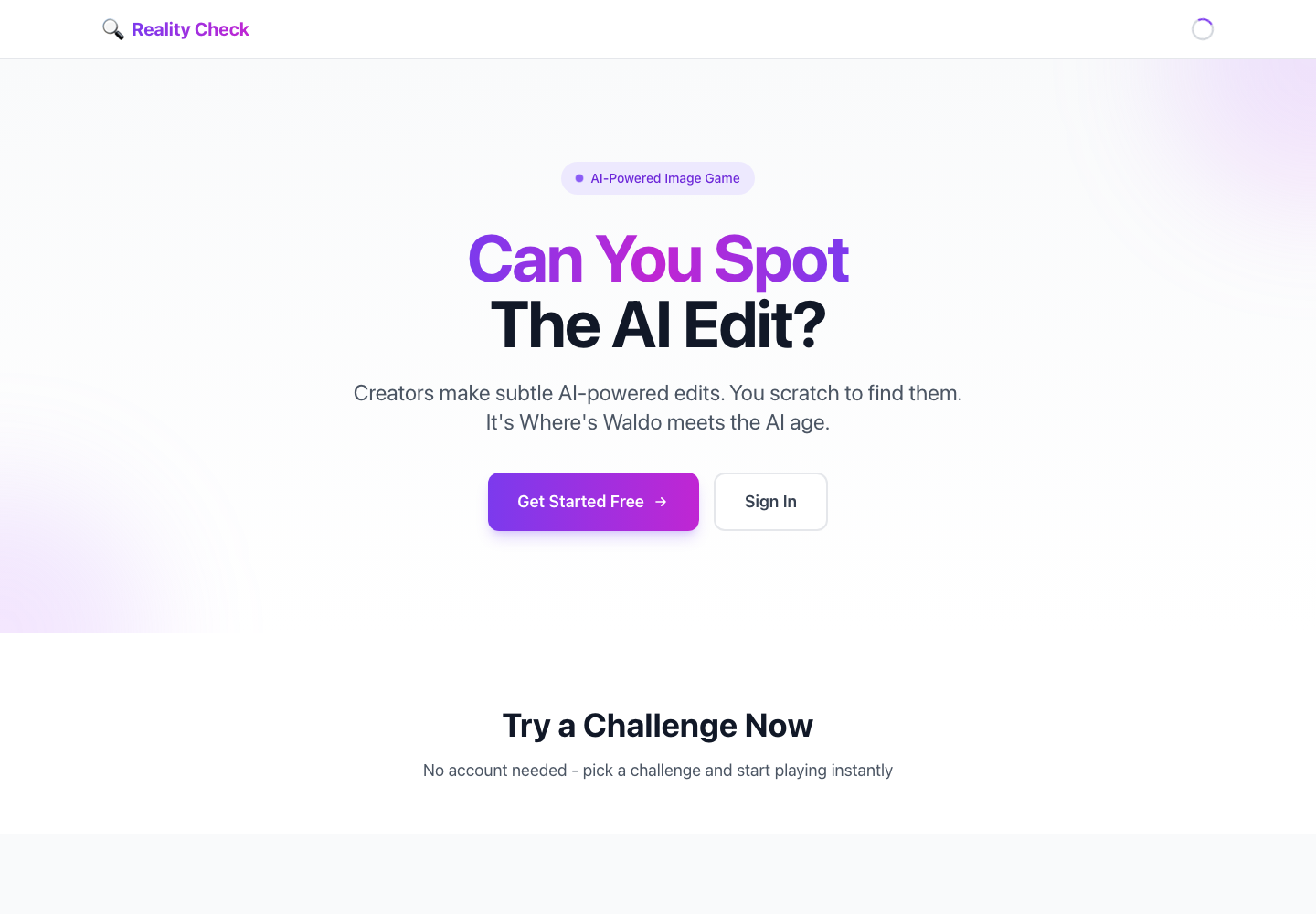
We help turn AI ideas into usable products with real interfaces, backend systems, moderation, and product logic around the model layer.
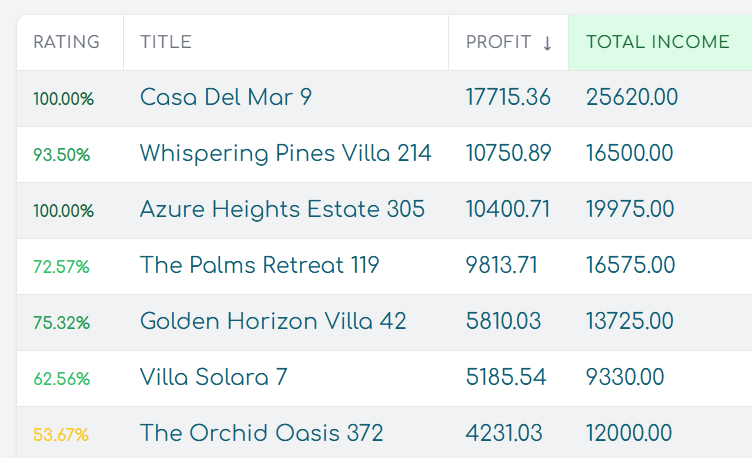
We build and extend backend foundations for apps that depend on clean data models, scheduled workflows, reporting, and third-party integrations.
Proof
These projects show how the wilder.dev team approaches AI products when the model has to live inside a real customer experience or product workflow.

The Alva backend is where ingredient lists become risk assessments. Vector search matches chemicals, AI scores toxicity and exposure, and the system personalizes every result to the user's own health profile.
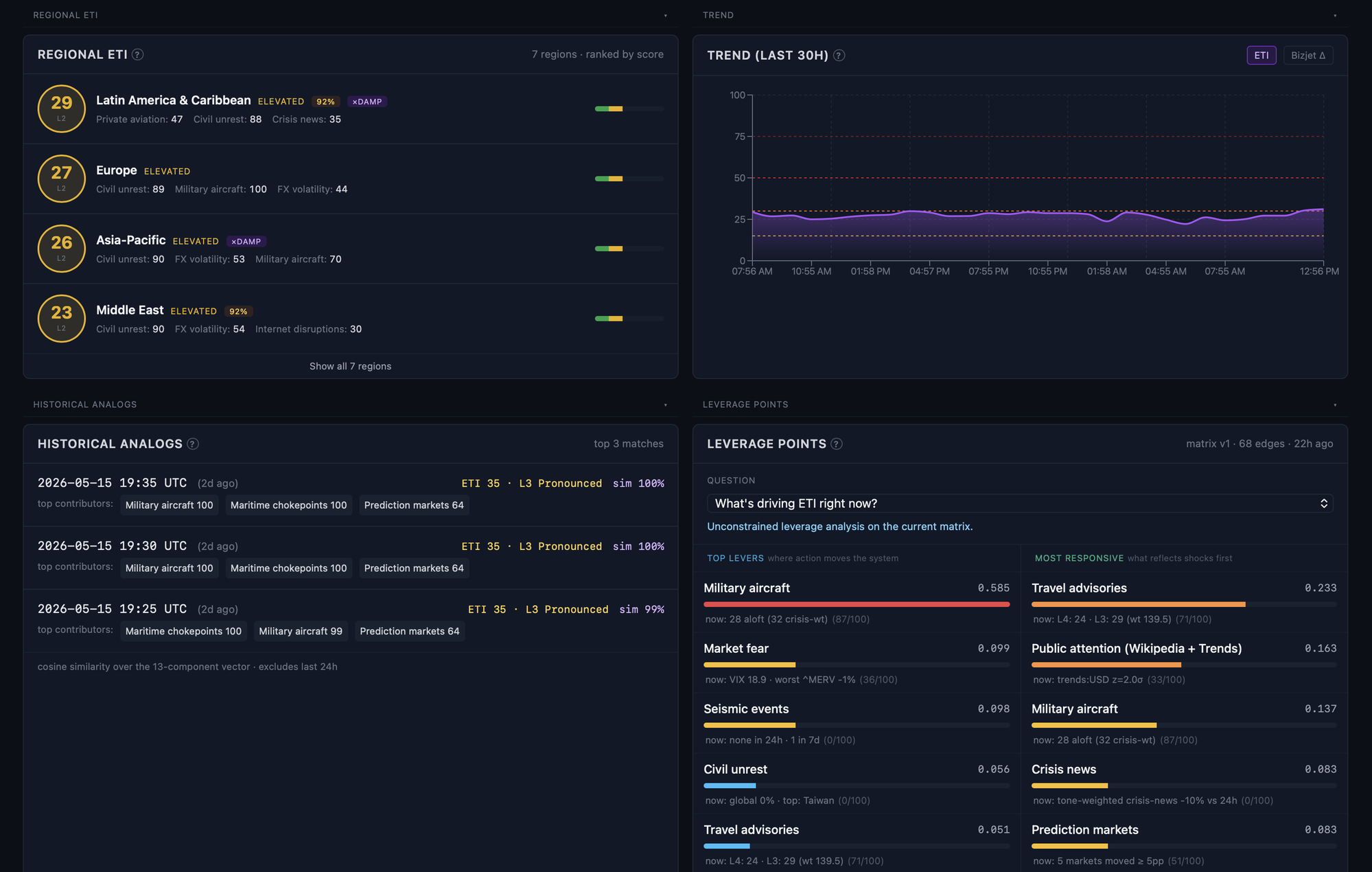
Exodus Tracker watches 22 unrelated crisis signals at once and collapses them into one composite number. On top of that sits a 22-node causal matrix that says which indicators are worth pulling on, not just watching.
Reality Check turns AI image editing into a public gameplay loop with challenge creation, anonymous play, scoring, and leaderboard systems.
Engineering notes
These posts add search depth, technical credibility, and a stronger path from research intent into a real conversation.
Alva's backend turns ingredient lists into personalized risk assessments using vector similarity search, multi-factor AI scoring, and health profile matching. This is how we built the detection pipeline and why we made the architectural choices we did.
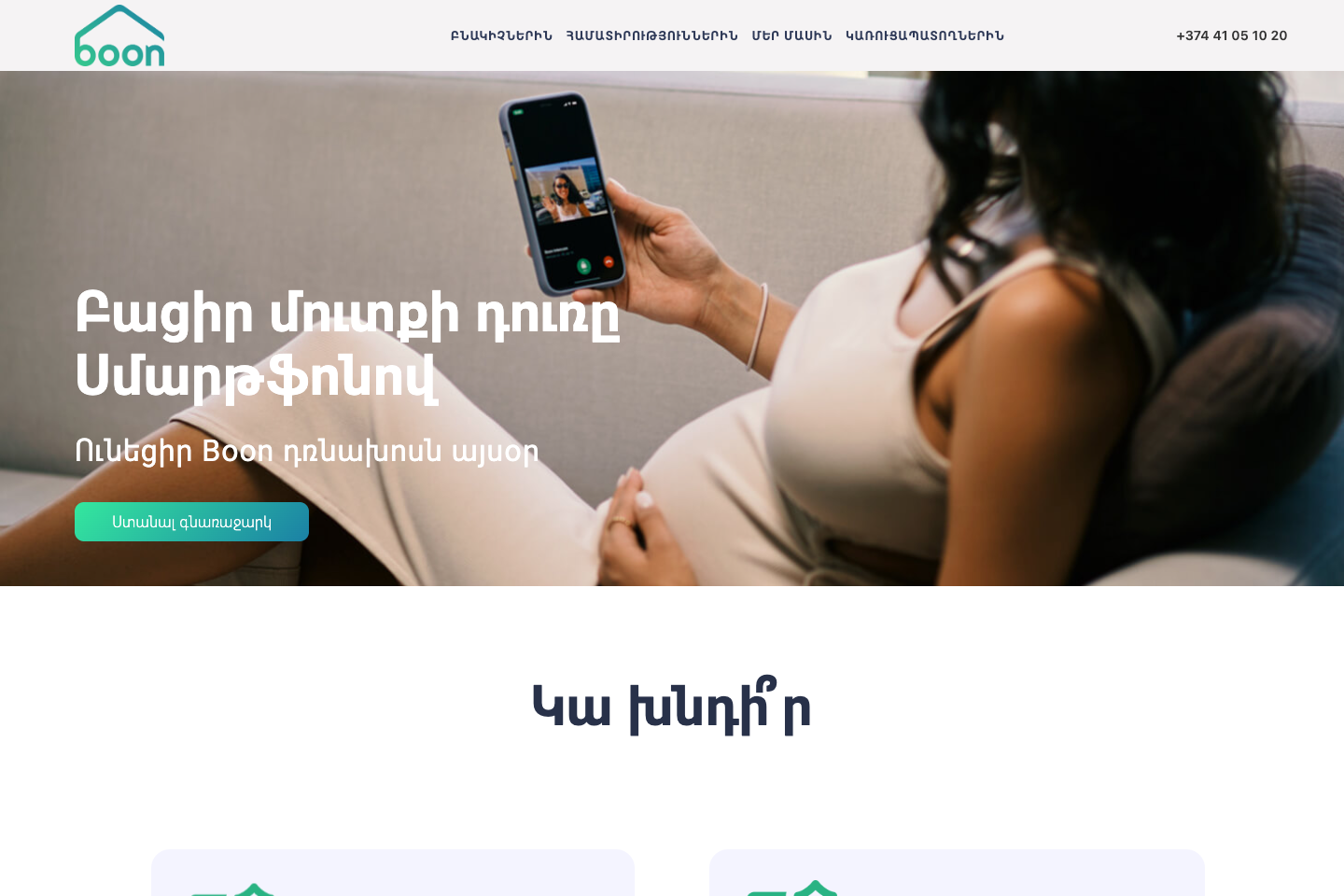
Boon is a good example of how everyday-looking mobile experiences can hide serious systems work underneath: VoIP intercom calls, smart access, backend coordination, and ongoing maintenance across iOS, Android, and Java.
How we usually work
This is usually strongest when the product needs senior implementation judgment more than a large ceremony-heavy process.
What is the product doing, where are things getting stuck, what is making development slower than it should be. Usually takes a couple of days to get a clear picture.
We scope the first chunk of real work — something that moves the product forward and makes the codebase easier to work with, not a six-month roadmap.
The point is not just to push a release out. We want to leave things in a shape where the next release is easier too — for us or whoever picks it up next.
About the studio
wilder.dev studio is led by Sergey Dikarev — a product engineer who came up through mobile development and project management and now works across iOS, Android, web, backend, and AI products. Most of the work lives in that messy zone between product decisions and actual code: architecture, new features, fixing what slows things down, and making sure the whole thing still makes sense six months from now.
Flows, user experience, edge cases — we pay attention to the stuff that makes a feature actually work for people, not just pass review.
Good architecture means the next thing you build lands cleanly instead of turning into a week of cleanup.
The wilder.dev team is strongest on native apps, backend systems, operational software, and AI products where you need someone who has been through it before.
Our best projects run for months or years because the work keeps getting more useful, not harder to maintain.
FAQ
The concern is usually not whether AI can do something once. It is whether the product can keep doing it usefully, safely, and clearly.
No. The strongest work usually sits around the model: the workflow, interface, orchestration, scoring, moderation, data handling, and product decisions that make the feature believable.
Yes. Early-stage AI work often benefits from shaping the product boundaries and fallback behavior before too much implementation hardens around a shaky assumption.
That is usually the sweet spot. The wilder.dev studio is strongest where AI is one part of a broader product surface rather than a standalone experiment.
Other tracks
These related pages cover the other kinds of work the wilder.dev team handles most often.
Mobile
For teams shipping iOS and Android products that need strong release discipline, offline support, smoother onboarding, or steadier product delivery.
Web + Backend
For SaaS, marketplace, internal, and operational products that need a clearer system underneath the interface before delivery gets more expensive.
Ready to compare notes?
Share a short brief or jump into the matching work first. Either way, the next step should feel concrete and useful.