Web products with clearer structure
SaaS, marketplace, and browser-native experiences need frontend patterns that support iteration without piling up hidden friction.
Web app and backend development
The wilder.dev team helps you build and steady web products, APIs, data flows, and operational systems that need room for new features without turning every release into cleanup work.
Engagement focus
Once the product moves past the first version, the useful work is usually about more than the interface. It is about keeping the whole system coherent while requirements keep changing.
SaaS, marketplace, and browser-native experiences need frontend patterns that support iteration without piling up hidden friction.
APIs, business rules, reporting structures, background jobs, notifications, and integrations should match the actual product stage instead of pretending every startup is a hyperscaler.
Many of the strongest products here are operational: bookings, payments, documents, finance workflows, team coordination, or realtime interaction.
The point is to make the next six months of shipping easier, not just to push one launch over the line and leave the mess behind.
Core service
These service pages stay indexable and help reinforce the long-term SEO structure underneath the paid and conversion-focused pages.
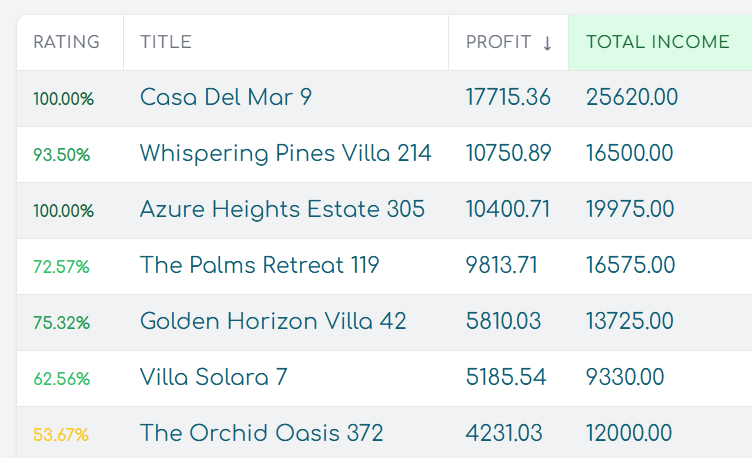
We build and extend backend foundations for apps that depend on clean data models, scheduled workflows, reporting, and third-party integrations.
We build tooling that turns repetitive workflows into repeatable systems, from internal utilities to developer-facing automation.
Proof
This work is strongest where the browser experience and the system behind it both need disciplined product engineering.
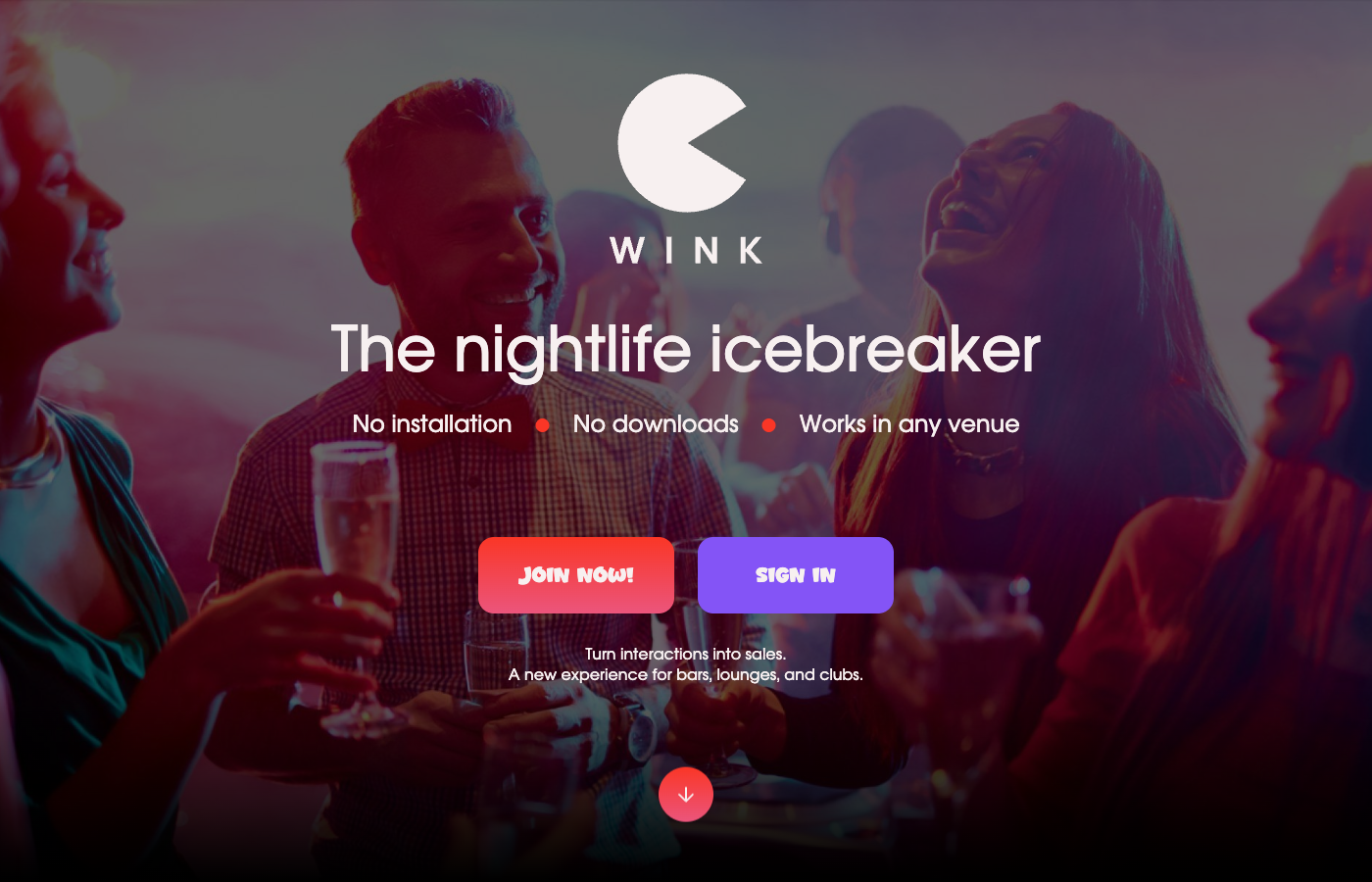
Wink Icebreaker blends realtime guest discovery, in-venue chat, drink payments, and owner analytics into one web product for bars, lounges, and clubs.

The Alva backend is where ingredient lists become risk assessments. Vector search matches chemicals, AI scores toxicity and exposure, and the system personalizes every result to the user's own health profile.
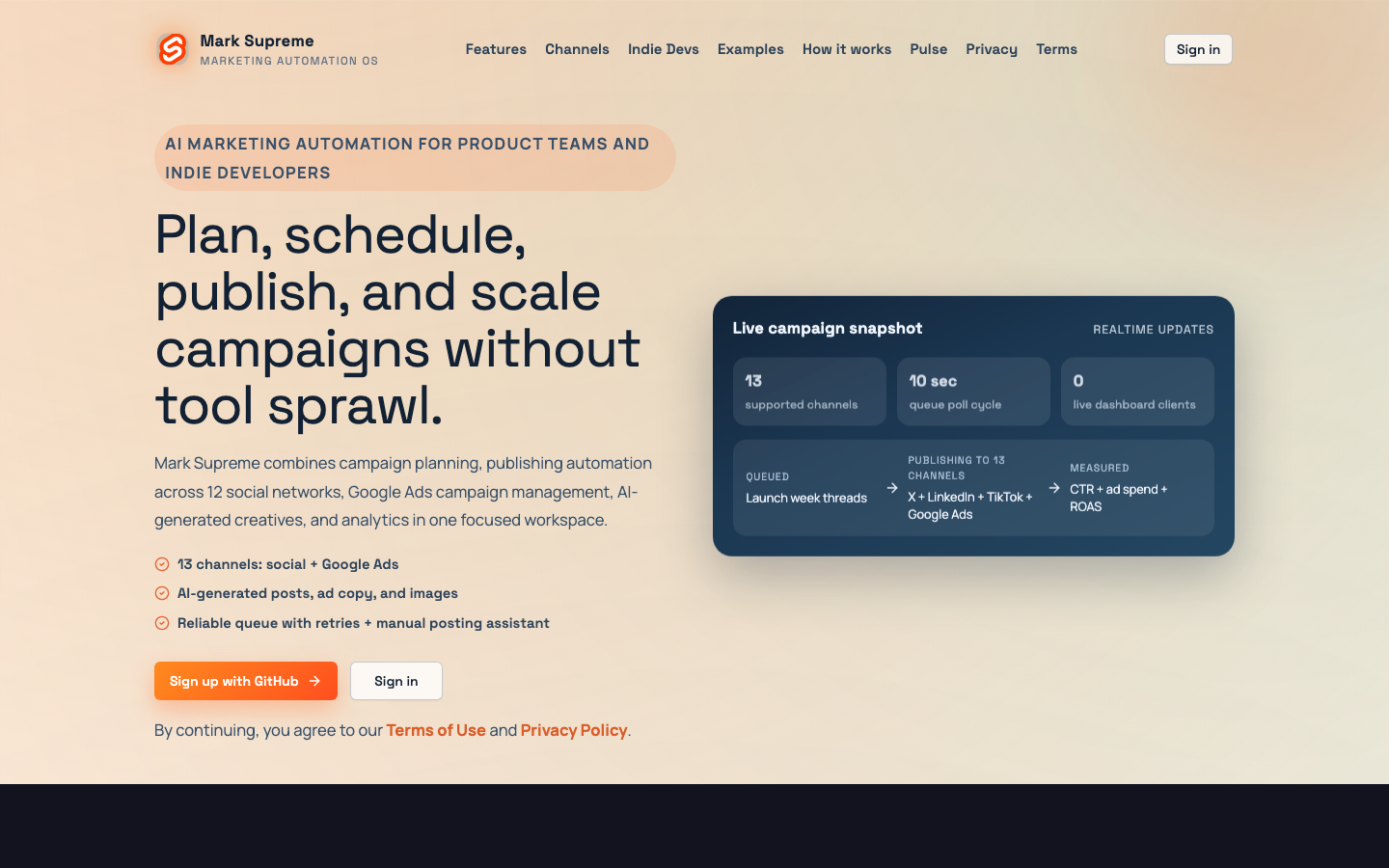
Mark Supreme brings campaign planning, AI content generation, multi-channel publishing, and analytics into one system built to keep launches moving.
Engineering notes
These posts add search depth, technical credibility, and a stronger path from research intent into a real conversation.
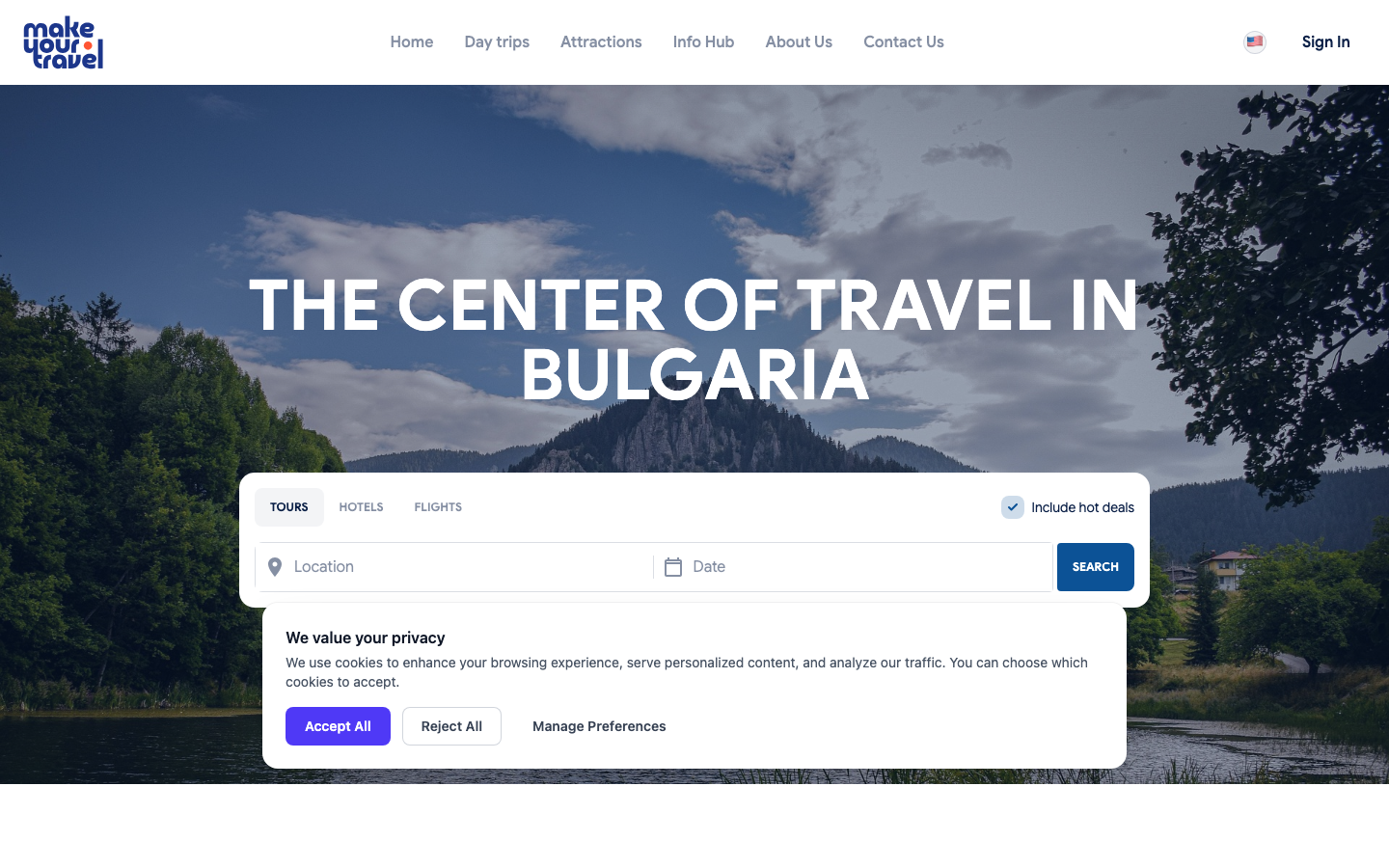
MakeYourTravel grew into more than a landing page. It became a multilingual travel marketplace with customer flows, supplier tools, admin controls, background jobs, and payment logic that had to stay understandable as the product expanded.

In the rapidly evolving world of mobile app development, choosing the right backend stack has a direct effect on performance, maintainability, and development speed.
How we usually work
This is usually strongest when the product needs senior implementation judgment more than a large ceremony-heavy process.
What is the product doing, where are things getting stuck, what is making development slower than it should be. Usually takes a couple of days to get a clear picture.
We scope the first chunk of real work — something that moves the product forward and makes the codebase easier to work with, not a six-month roadmap.
The point is not just to push a release out. We want to leave things in a shape where the next release is easier too — for us or whoever picks it up next.
About the studio
wilder.dev studio is led by Sergey Dikarev — a product engineer who came up through mobile development and project management and now works across iOS, Android, web, backend, and AI products. Most of the work lives in that messy zone between product decisions and actual code: architecture, new features, fixing what slows things down, and making sure the whole thing still makes sense six months from now.
Flows, user experience, edge cases — we pay attention to the stuff that makes a feature actually work for people, not just pass review.
Good architecture means the next thing you build lands cleanly instead of turning into a week of cleanup.
The wilder.dev team is strongest on native apps, backend systems, operational software, and AI products where you need someone who has been through it before.
Our best projects run for months or years because the work keeps getting more useful, not harder to maintain.
FAQ
The best-fit teams usually know that the product can ship, but they want help making the system steadier and the next stage of growth less painful.
Yes. We are especially useful when the product problem crosses the UI, API, data model, async jobs, integrations, and operational logic instead of living cleanly in one layer.
No. It also fits internal tools, marketplace systems, finance workflows, browser-native products, and operational software that teams use every day.
Yes. A lot of the work here is making a product easier to reason about while continuing to ship, not starting from scratch just because the current version is imperfect.
Other tracks
These related pages cover the other kinds of work the wilder.dev team handles most often.
AI
For teams building AI-assisted workflows, generation, scoring, moderation, or analysis into a product people actually need to trust.
Mobile
For teams shipping iOS and Android products that need strong release discipline, offline support, smoother onboarding, or steadier product delivery.
Ready to compare notes?
Share a short brief or jump into the matching work first. Either way, the next step should feel concrete and useful.