Native product delivery
New features, rewrites, architecture cleanup, UI polish, release hardening, and the work that makes a codebase easier to keep evolving.
Mobile app development
The wilder.dev team helps you build and improve native mobile apps across iOS and Android, especially when performance, offline behavior, release quality, and day-to-day product usefulness all matter at once.
Engagement focus
The strongest mobile engagements are the ones where the app is not just a companion surface. It is the place where the product either becomes useful or falls apart.
New features, rewrites, architecture cleanup, UI polish, release hardening, and the work that makes a codebase easier to keep evolving.
Queueing, cache-first reads, optimistic updates, and sync discipline matter when the app has to behave calmly with weak or unreliable connectivity.
Mobile engineering gets much better when product flows, state, onboarding, and user trust are treated as engineering concerns too.
The wilder.dev team works well as senior capacity for product teams that need to keep shipping while reducing chaos underneath.
Core service
These service pages stay indexable and help reinforce the long-term SEO structure underneath the paid and conversion-focused pages.
Proof
These case studies and articles show the kinds of mobile products the wilder.dev team helps steady, extend, and ship across real release cycles.

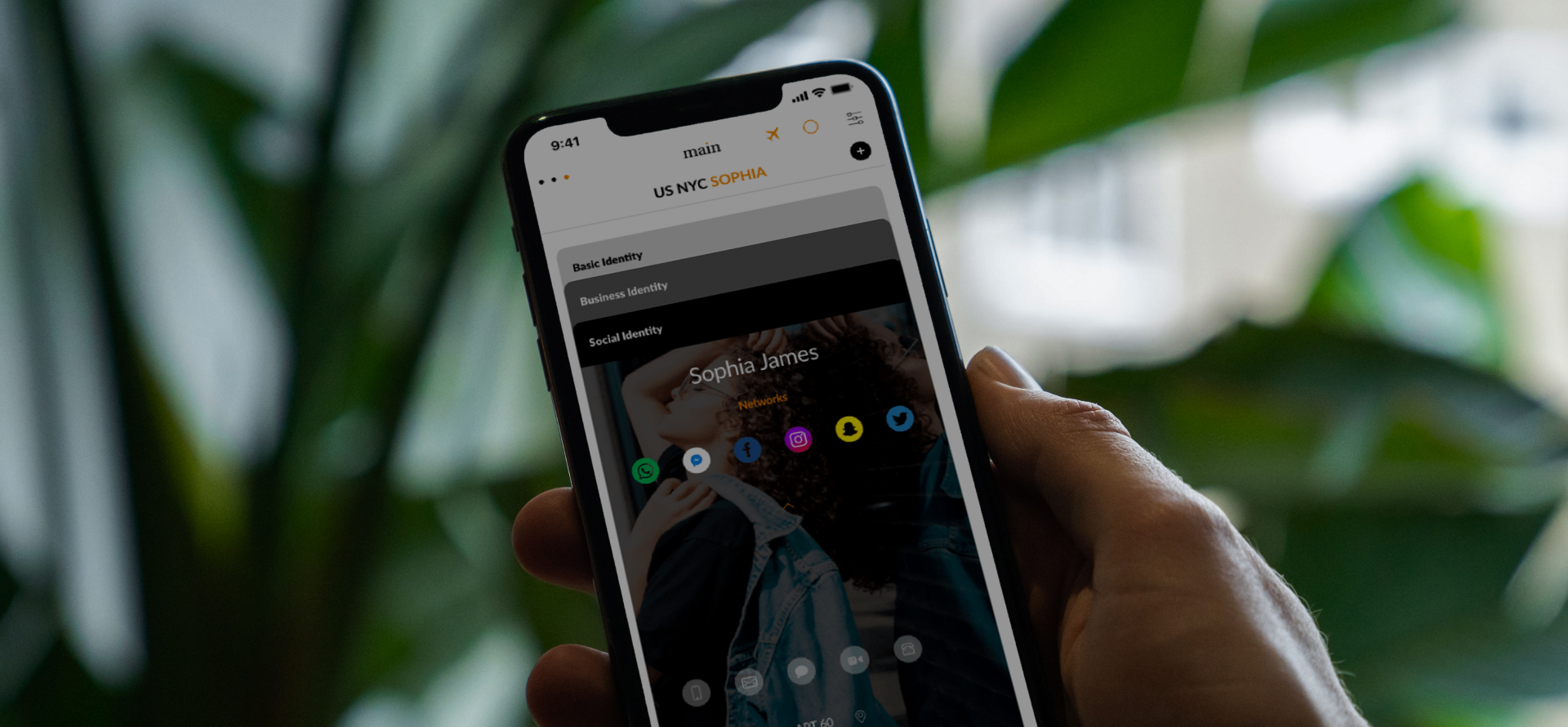
A mobile product focused on safer driving habits, better visibility into performance, and smoother access to check-in tools.
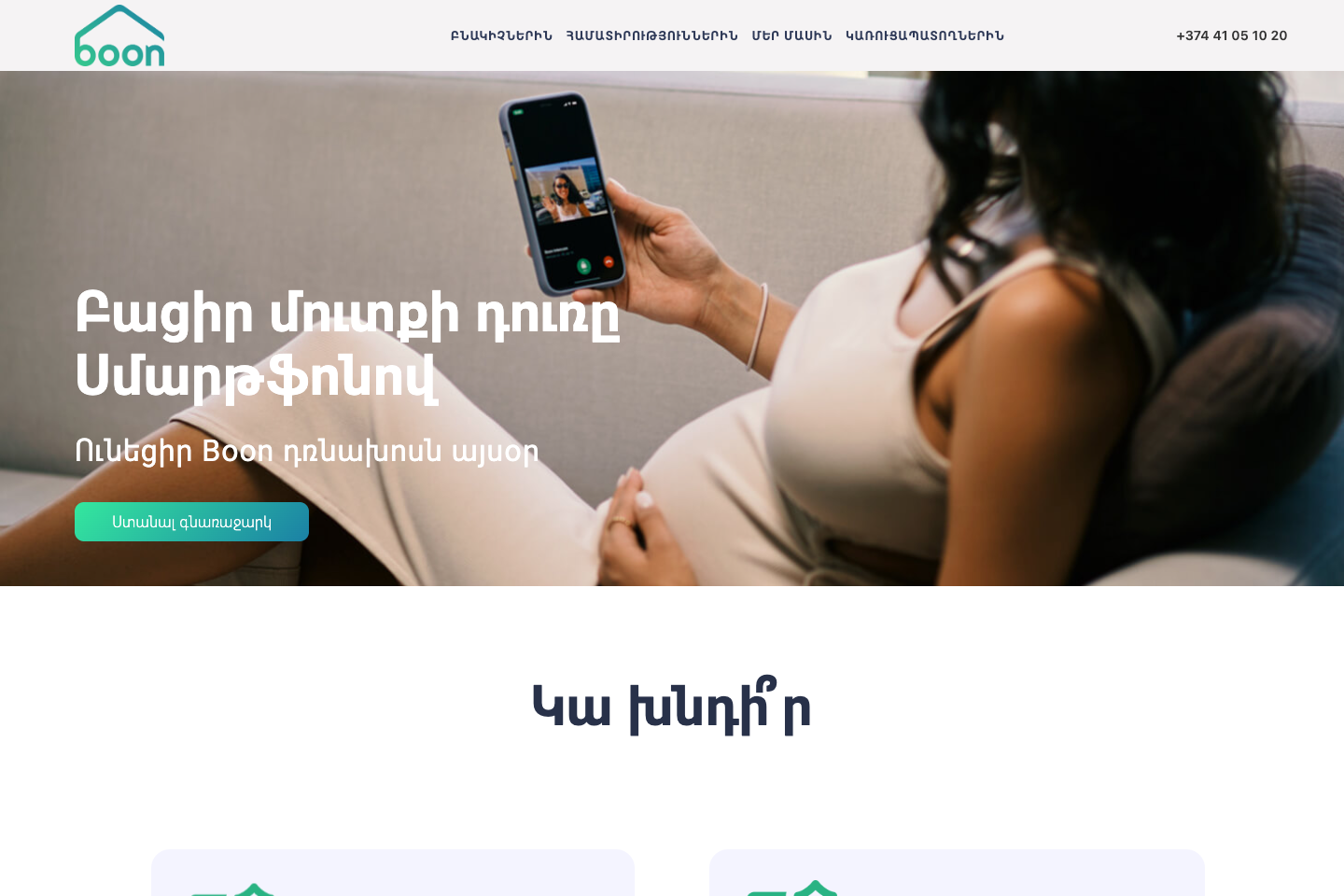
Boon turns a smartphone into a building key, intercom screen, and access control tool across iOS, Android, and a maintained Java backend.
Builder Prime extends a contractor CRM into the field through native iOS and Android apps built for estimates, work orders, schedules, messages, invoices, payments, and offline-heavy jobsite workflows.
Engineering notes
These posts add search depth, technical credibility, and a stronger path from research intent into a real conversation.
Builder Prime is a strong example of mobile product engineering for real-world field conditions: offline clock-in and clock-out, estimate editing, queued sync, and ID mapping that keeps work moving when connectivity is unreliable.
In the rapidly evolving world of mobile app development, choosing the right backend stack has a direct effect on performance, maintainability, and development speed.
How we usually work
This is usually strongest when the product needs senior implementation judgment more than a large ceremony-heavy process.
What is the product doing, where are things getting stuck, what is making development slower than it should be. Usually takes a couple of days to get a clear picture.
We scope the first chunk of real work — something that moves the product forward and makes the codebase easier to work with, not a six-month roadmap.
The point is not just to push a release out. We want to leave things in a shape where the next release is easier too — for us or whoever picks it up next.
About the studio
wilder.dev studio is led by Sergey Dikarev — a product engineer who came up through mobile development and project management and now works across iOS, Android, web, backend, and AI products. Most of the work lives in that messy zone between product decisions and actual code: architecture, new features, fixing what slows things down, and making sure the whole thing still makes sense six months from now.
Flows, user experience, edge cases — we pay attention to the stuff that makes a feature actually work for people, not just pass review.
Good architecture means the next thing you build lands cleanly instead of turning into a week of cleanup.
The wilder.dev team is strongest on native apps, backend systems, operational software, and AI products where you need someone who has been through it before.
Our best projects run for months or years because the work keeps getting more useful, not harder to maintain.
FAQ
Most teams are not looking for generic app development. They are looking for someone who can improve the actual shape of delivery and product confidence.
Yes. We work across both platforms and are especially useful when teams need consistent product thinking across iOS, Android, backend dependencies, and release planning.
Absolutely. A lot of the highest-value work is in improving an app that already exists but has become harder to extend, harder to trust, or more expensive to release.
Yes. We are particularly strong where mobile is tied to field work, operations, communication, sync, or business-critical workflows.
Other tracks
These related pages cover the other kinds of work the wilder.dev team handles most often.
AI
For teams building AI-assisted workflows, generation, scoring, moderation, or analysis into a product people actually need to trust.
Web + Backend
For SaaS, marketplace, internal, and operational products that need a clearer system underneath the interface before delivery gets more expensive.
Ready to compare notes?
Share a short brief or jump into the matching work first. Either way, the next step should feel concrete and useful.